Riwaq Book Prize 2026
The Laureates of the Riwaq Book Prize
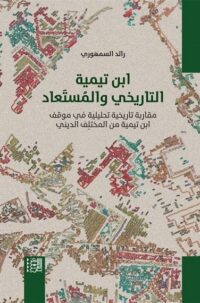
ابن تيمية التاريخي والمستعاد
مقاربة تاريخية تحليلية في موقف ابن تيمية من المختلف الديني
[Ibn Taymiyyah, the Historical and Reclaimed: A Historical-Analytical Approach to Ibn Taymiyyah’s Position on Religious Diversity]
Doha Institute for Graduate Studies, 2024
In selecting Raed Alsamhouri’s monograph, the jury focused on the importance of the book’s subject matter and its pressing relevance in the Arab context, its adherence to scientific methodological standards and the soundness of its language and style. Spanning five chapters, the book examines Ibn Taymiyyah’s stance toward religious and doctrinal difference, placing his texts and views within their broader political, social, intellectual, and cultural contexts. The research is based on a methodological distinction between the “historical” Ibn Taymiyyah and his “reconstructed” or “fabricated” image, which was created by later interpretations based on selectivity, fragmentation, and the removal of the texts from their historical context. The book’s significance lies in Raed Alsamhouri’s reading of Ibn Taymiyyah’s legacy, which helps pull the rug out from under traditionalist thought that interprets the legacy with blind eyes, ignoring its historical context. At the same time, it helps us deconstruct Western culturalist discourse and its Arab offshoots, which perpetuate ignorance of both the present and the past and offer a biased “analysis” of the crises facing our contemporary societies. Through this book, Raed Alsamhouri offers a more scientific approach to dealing with cultural heritage and provides an epistemic weapon against ideological excesses, as if the author’s ultimate goal were to remind us that the past is understood through history, not ideology.


Beirut und die Zeitschrift Mawaqif
Eine arabische Intellektuellengeschichte 1968-1994
[Beirut and the Journal Mawaqif: A History of Arab Intellectuals, 1968–1994]
Brill/Fink, 2023
Beirut and the journal Mawaqif. A history of Arab intellectuals 1968-1994 is an intellectually and stylistically outstanding study on a crucial phase in modern Arab intellectual and political history. Through her ‘biography’ of the literary and cultural journal, published in Beirut in the critical years of 1968 to 1994, the author tells a new and compelling story of modern Arab intellectual culture. Her focus on the journal as an institution, in which literary trends, political ideas, and theoretical issues are shaped, debated, and disseminated, is particularly original. Theoretically highly sophisticated, Albers succeeds brilliantly in presenting complex literary, philosophical, and political questions in an accessible way and in opening them to wider academic audiences in the humanities and the social sciences.

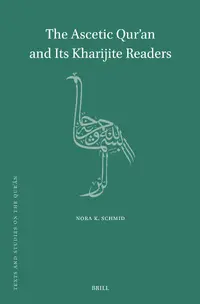
The Ascetic Qur’an and its Kharijite Readers
Brill, 2026
Based on meticulous scholarship on the Qur’an and a wide array of other Arabic primary sources, The Ascetic Qur’an and its Kharijite Readers combines close textual analysis with nuanced historiographical engagement to offer a fresh understanding of early Qur’anic interpretation and Kharijite thought. Showing how the early Khawarij responded to the Qur’an’s teachings through close analysis of their poetry and speeches, it reassesses our understanding of asceticism in Late Antiquity while making the voices preserved in these sources accessible through translation. It brings the primary sources into conversation with an immense range of earlier scholarship, lucidly and with an eye to both specialists and newcomers to the field, exploring, for instance, Late Antique anachōrēsis as a background to early Islamic piety. In this beautifully written book, Nora K. Schmid combines exceptional sensitivity to language, scriptural interpretation, and literary expression with broader questions of intellectual and cultural history. We believe that this impeccable work will become a standard reference for many years to come, while offering non-specialists an engrossing read that brings to life the worlds of early Islamic piety and their distinctive modes of self-expression.
The Award Ceremony
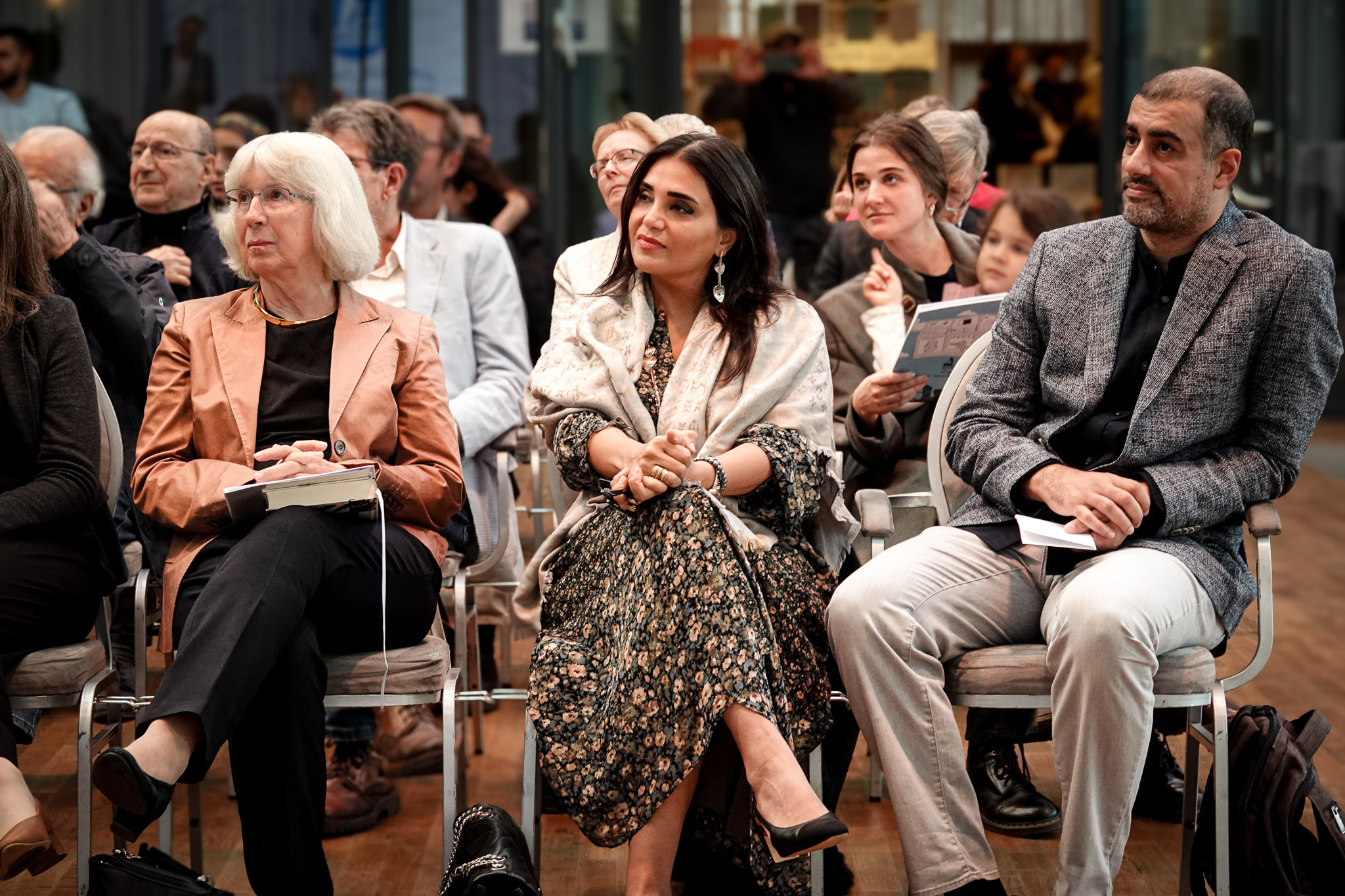
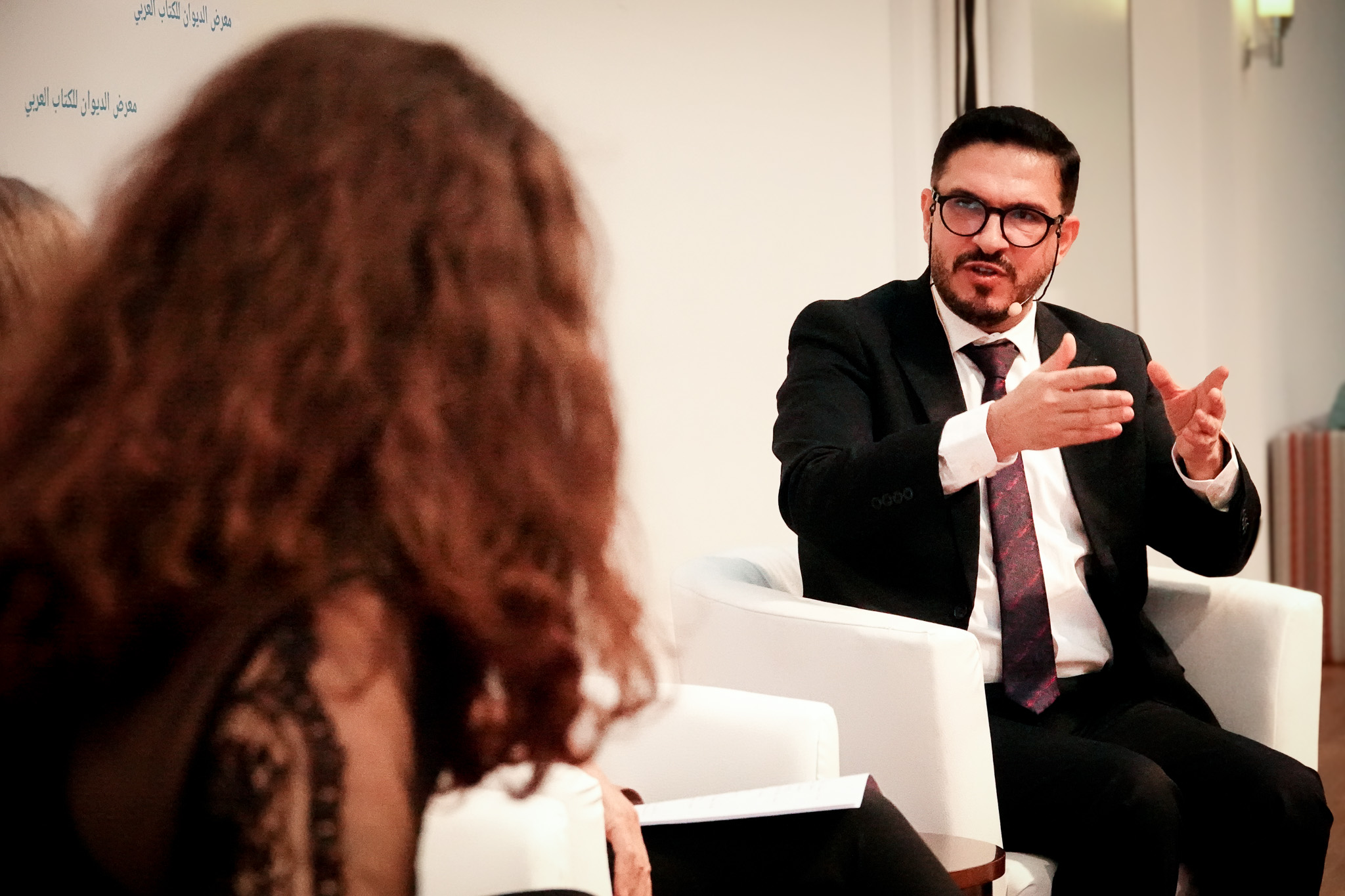
The award ceremony took place during the 4th Divan’s Arabic Book Fair in Berlin on 16 October 2026.